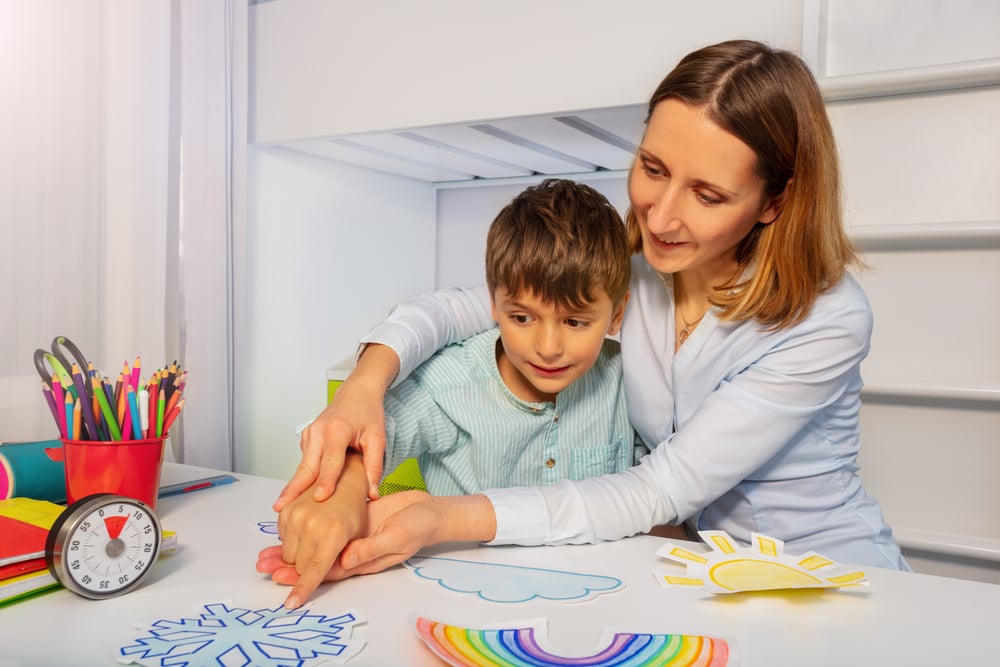
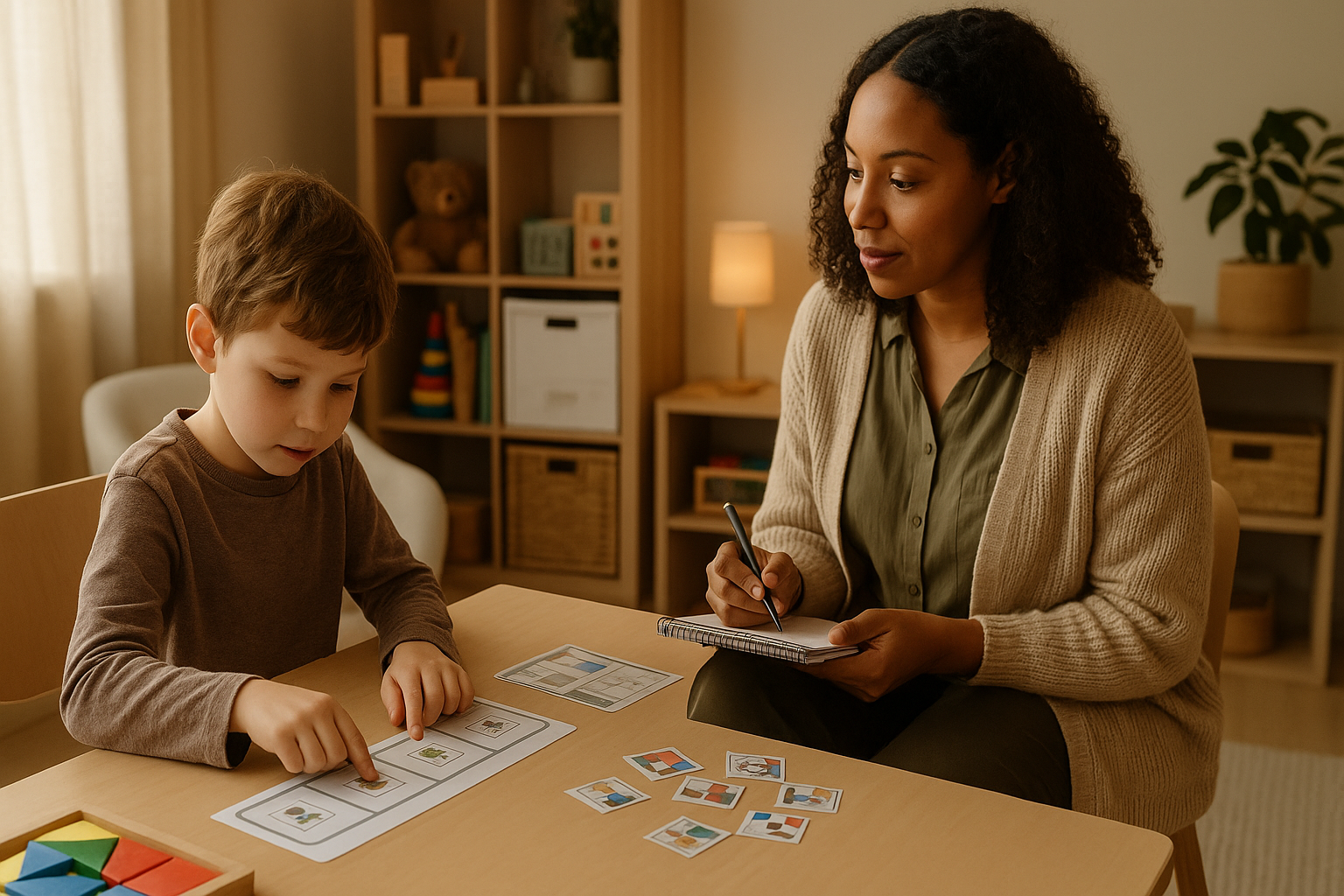
Parent training for autism support plays a critical role in helping families understand autism and support their child’s development. Through structured guidance and ABA-based strategies, parents gain tools to improve communication, behavior, and daily routines at home.
For families in Miami-Dade and Broward County, parent training creates consistency between therapy and everyday life.
Understanding Autism
Autism, or Autism Spectrum Disorder (ASD), is a set of conditions that affect communication, behavior, and social interaction. Every child with autism is unique, which means their needs and challenges are unique as well. Some may struggle with communication, while others may show repetitive behaviors.
Common Characteristics of Autism
Parents should be familiar with some common traits of autism, which may include:
- Challenges with verbal and nonverbal communication.
- Intense interests in specific topics.
- Need for routines and structure.
- Sensitivity to sensory stimuli, such as bright lights or loud noises.
By recognizing these characteristics, parents can better support their child’s daily development.
Why Parent Training Matters
Parent training is crucial. It not only helps parents understand autism but also provides practical tools to handle everyday situations. Key benefits include:
- Empowerment: Informed parents feel more confident, enabling them to make educated decisions about treatment and education.
- Stress Reduction: Understanding autism helps parents manage stress and anxiety that often come with caregiving.
- Better Communication: Training equips parents with strategies to communicate more effectively with their child, improving their bond.
Available Resources for Parents
Existen muchos recursos disponibles para padres que buscan formación sobre el autismo. Algunos de estos incluyen:
- Workshops and Seminars: Many organizations offer sessions where parents can learn and connect with others.
- Books and Guides: A wide range of literature is available covering different aspects of autism.
- Support Groups: Joining a support group provides a safe space to share experiences and learn from others.
Practical Strategies at Home
Además de la formación, hay varias estrategias que los padres pueden implementar en casa para apoyar a sus hijos con autismo. Aquí hay algunas ideas:
- Create Structure: Children with autism thrive on predictability. Use daily routines and visual schedules.
- Encourage Communication: Tools like picture cards can help children express their needs. Practice communication during meals, play, and everyday routines.
- Promote Socialization: Organize playdates, join group activities, or encourage hobbies where your child can safely interact with peers.
The Importance of Patience and Empathy
Raising a child with autism can be a journey full of ups and downs. Patience and empathy are essential along the way. Every small step forward is a milestone worth celebrating. Parents should remember that progress may look different for each child, but every achievement—no matter how small—deserves recognition. Celebrating these victories helps strengthen the bond between parents and children, while keeping hope and motivation alive.
Collaboration with Professionals
Parents don’t need to walk this journey alone. Therapists can provide tailored strategies, and educators can create supportive environments in school. Regular communication between home and school helps ensure consistency and success.
The Importance of School Communication
Open communication with teachers and school staff is fundamental for a child’s success. When parents and educators work as a team, children receive consistent support both at home and in the classroom.
Here are some effective practices:
- Regular Meetings: Schedule frequent check-ins with teachers to discuss progress and challenges.
- Share Strategies: Let teachers know what works at home so they can apply similar approaches at school.
- Collaborative Planning: Work together on Individualized Education Plans (IEPs) or classroom accommodations to ensure your child has the tools they need to succeed.
By building a strong bridge between home and school, parents create a support system that helps their child feel understood, safe, and confident.
Online Resources for Parents
In today’s digital age, parents have access to a wide range of online resources that can provide guidance, community, and valuable information:
- Autism Speaks: Offers detailed information about autism, toolkits for families, and nationwide resources.
- National Autistic Society: Provides practical guides, parent tips, and educational materials.
- Support Forums and Groups: Online communities allow parents to connect, share experiences, and learn from one another in a safe and supportive environment.
Exploring these resources not only equips parents with knowledge, but also reminds them that they are not alone—there’s a global network of families and professionals ready to share insights and support.
The Role of Self-Care
Supporting a child with autism can be overwhelming. Parents should also care for themselves:
- Take time for activities you enjoy.
- Join support groups or talk to friends and professionals for emotional relief.
Looking Ahead
Parent training is a powerful tool. It not only helps parents better understand autism but also equips them with the skills and strategies to support their children more effectively. By investing time in learning and growing, families can create a loving and supportive environment that benefits everyone at home.
Every family’s journey is unique, but with the right training and resources, challenges can be faced with confidence and hope. Remember—you are not alone. Support and guidance are always within reach.
If you’d like to learn more, explore our parent training programs or book a consultation with our team today. Together, we can build a brighter future for your child.